Why Emotional Intelligence Is Becoming More Valuable
Technical expertise still matters. But in complex, fast-moving workplaces, emotional intelligence is becoming one of the strongest predictors of effective leadership and collaboration.
Technical expertise still matters.
Of course it does.
Organisations need people who understand the work, solve problems and make good decisions.
But technical skill alone is no longer enough.
In complex, fast-moving workplaces, emotional intelligence is becoming one of the most valuable capabilities leaders and teams can develop.
What Emotional Intelligence Actually Means
Emotional intelligence is often misunderstood.
It is not about being endlessly nice.
It is not about avoiding challenge.
And it is definitely not about pretending everything is fine.
At its simplest, emotional intelligence is the ability to understand and manage emotions — your own and other people’s — in ways that support effective relationships and decision-making.
That includes:
- self-awareness
- self-regulation
- empathy
- social awareness
- relationship management
These capabilities shape how people communicate, lead and collaborate every day.
Why It Matters More Now
Workplaces are becoming more complex.
Teams are often hybrid, cross-functional and under pressure to move quickly.
AI is changing roles. Expectations are shifting. Leaders are being asked to navigate ambiguity more often.
In that environment, emotional intelligence becomes essential.
Because when pressure increases, emotional reactions become more visible.
Leaders who cannot regulate themselves often create uncertainty around them.
Teams that cannot navigate tension often avoid the conversations they most need to have.
Self-Awareness Comes First
Emotional intelligence starts with self-awareness.
Before people can manage their impact on others, they need to understand:
- how they naturally communicate
- what triggers them
- how they respond under pressure
- what behaviours they overuse
- how others may experience them
Without this awareness, people often confuse intention with impact.
They assume that because they meant well, their behaviour landed well.
That is not always true.
Empathy Is Not Weakness
Empathy is sometimes dismissed as soft.
But in leadership, empathy is practical.
It helps leaders understand what people need in order to perform.
It improves communication.
It reduces unnecessary conflict.
It helps teams interpret behaviour with more curiosity and less judgement.
Empathy does not mean avoiding standards.
It means understanding people well enough to lead them effectively.
Emotional Intelligence Supports Better Conversations
Many organisational problems are conversation problems.
Feedback is avoided.
Tension is left unspoken.
Decisions are unclear.
People assume rather than ask.
Emotional intelligence helps people stay present in conversations that might otherwise become defensive or reactive.
That is where trust starts to build.
How Insights Discovery Helps
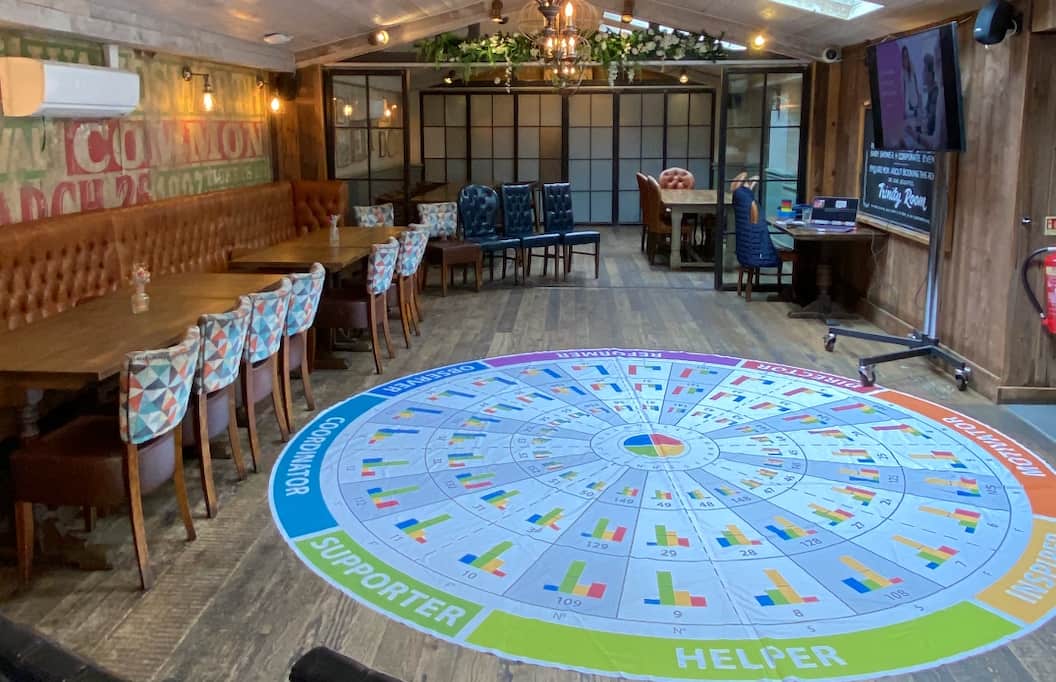
Frameworks such as Insights Discovery can support emotional intelligence by giving people language for behavioural preferences.
When teams understand different communication styles, they become better at adapting.
Instead of labelling someone as difficult, they can begin to recognise the preference behind the behaviour.
That shift creates more constructive conversations.
Final Thought
Emotional intelligence is not a personality trait reserved for naturally warm or empathetic people.
It is a capability that can be developed.
And as workplaces become faster, more complex and more reliant on collaboration, it becomes increasingly valuable.
Because the future will not just reward people who know more.
It will reward people who understand themselves and others well enough to work better together.
Continue Reading
Want to explore this topic for your organisation?
Most conversations start by simply talking about what's happening in your team.
Book a call