Your first day isn't just onboarding. It's often a preview of the culture, leadership style and employee experience you're about to step into.
Most organisations spend a lot of time thinking about recruitment.
Far fewer spend the same energy thinking about what happens once someone says yes.
Which is strange when you think about it. Because your first day isn’t just onboarding. It’s often the first real glimpse of what it will actually feel like to work there.
And in my experience, the best leaders understand that. They know Day 1 isn’t an administrative exercise. It’s a leadership moment.
They Make Time For You
The best leaders don’t outsource the first impression.
They don’t disappear into meetings and leave HR to do all the heavy lifting. They create space. Not because they’re free. Because they’ve decided you’re important.
One of the strongest signals a leader can send is: “I’ve cleared time for you today.”
People remember that. Not because it takes hours. Because it demonstrates priority.
They Tell The Team Why You’re Here
Many introductions sound like this:
This is Sarah. She’s joining the team.
Fine. Forgettable.
Great leaders do something different. They explain why they’re excited.
This is Sarah. She’s brilliant at stakeholder management and I’ve been trying to hire someone with her experience for months.
Before you’ve contributed anything, you understand the value people already see in you. That’s powerful.
They Create Clarity
Starting a new role is surprisingly stressful — even when you’re excited. You’re trying to understand expectations, priorities, culture, relationships and unwritten rules all at once.
The best leaders reduce that uncertainty. They don’t expect people to simply “figure it out.”
They explain what success looks like, what matters most, where to focus first and how progress will be measured.
Clarity creates confidence.
They Ask How You Work Best
One of the most overlooked leadership questions is: “What helps you do your best work?”
Not everyone thrives under the same conditions. Some people want regular check-ins. Others prefer autonomy. Some process information quickly. Others like time to reflect.
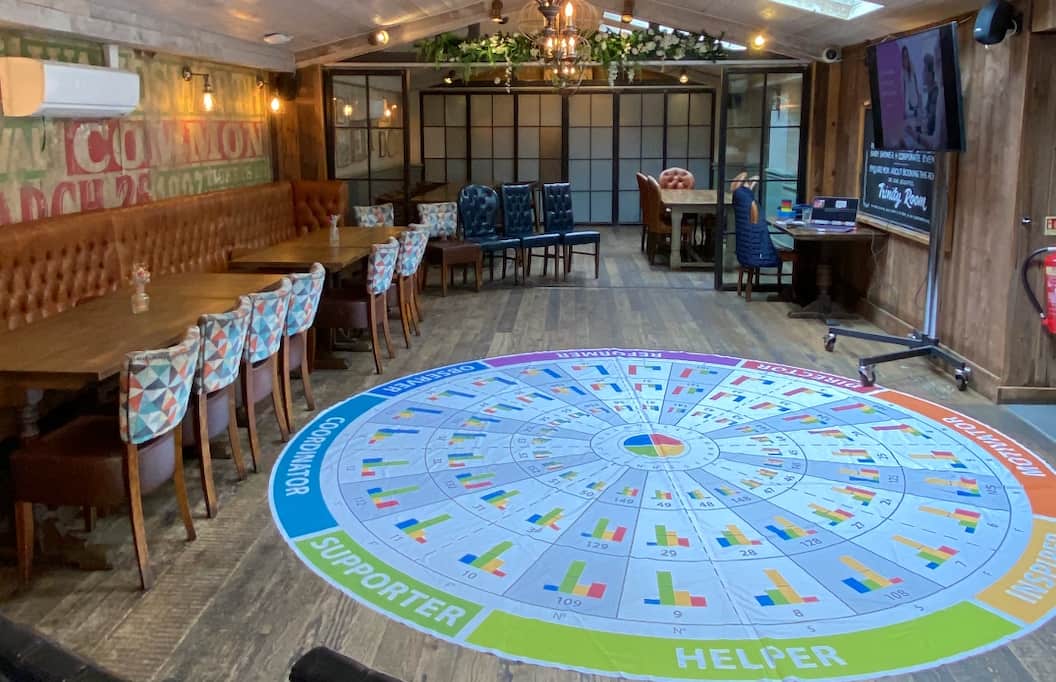
Leaders who ask these questions early create stronger relationships later. This is one of the reasons I find tools like Insights Discovery so valuable — understanding behavioural preferences early removes a huge amount of unnecessary friction.
They Share Their Own Blind Spots
This one is rare. And incredibly powerful.
The best leaders don’t try to appear perfect. They say things like:
- “I sometimes move too quickly.”
- “I can be overly detailed.”
- “I occasionally forget to communicate context.”
They’re not lowering standards. They’re creating trust.
Because vulnerability from a leader gives permission for honesty from everyone else. That’s the foundation of psychological safety — and it starts on Day 1.
They Talk About The Future
Poor onboarding focuses entirely on tasks. Great onboarding focuses on potential.
The best leaders communicate: “Here’s where I think you can grow. Here’s how I see your career developing. Here’s what success could look like over the next few years.”
People don’t stay because of a laptop and a welcome pack. They stay because they can see a future.
What This Really Reveals
The interesting thing about all of these behaviours is that they aren’t really onboarding activities. They’re leadership behaviours.
A leader who creates clarity, invests time, builds trust, understands people and communicates a vision will probably continue doing those things long after Day 1.
That’s why onboarding matters. Because the first day often reveals what the next five years are going to feel like.
Final Thought
The best leaders don’t make your first day memorable because it’s polished. They make it memorable because it’s human.
They make you feel seen. Valued. Trusted. And excited about what’s next.
And if a leader can do that on Day 1, there’s a good chance people will still want to work with them on Day 1,000.
Continue Reading
Want to explore this topic for your organisation?
Most conversations start by simply talking about what's happening in your team.
Book a call